

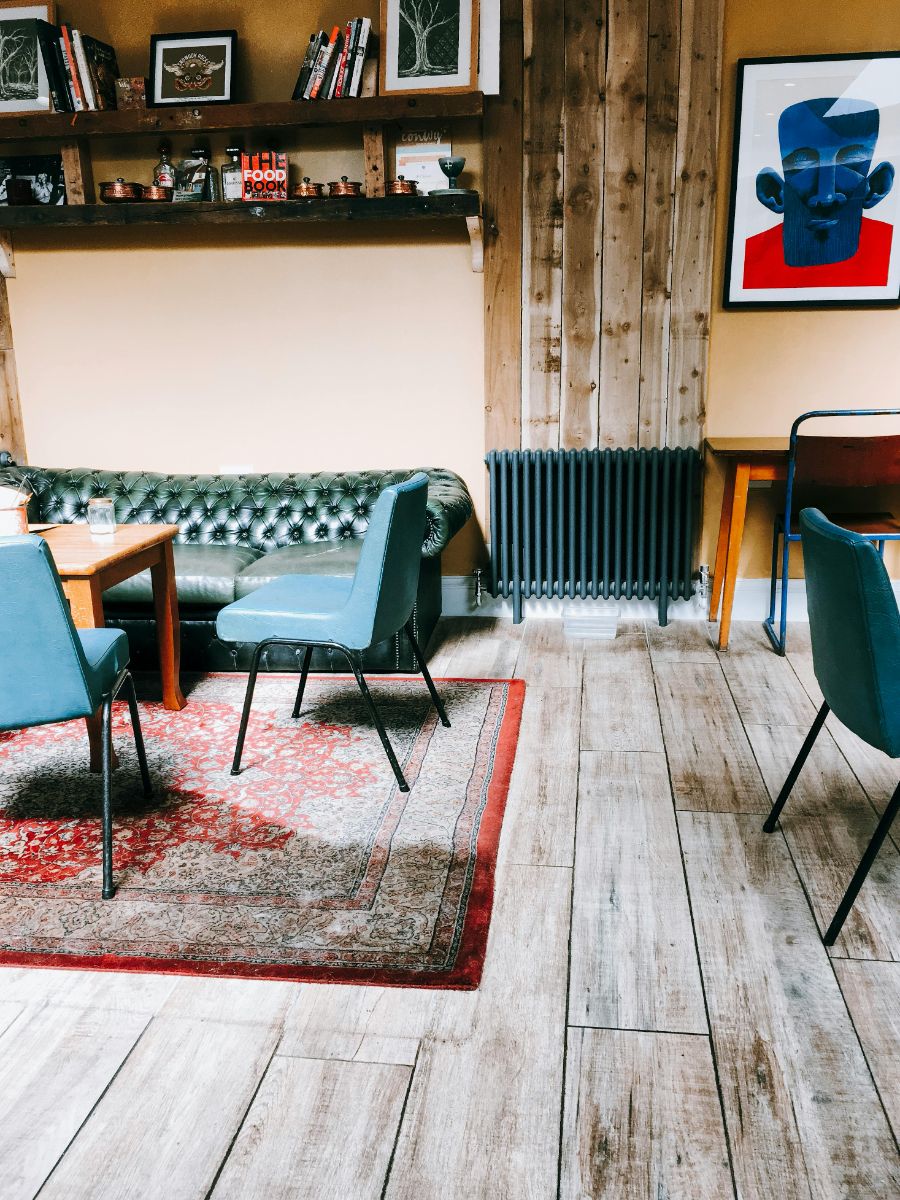
Walking through a beautifully designed home often feels like a journey through different worlds. The warm embrace of hardwood in the living room gives way to elegant tile in the kitchen, and a plush area rug anchors the bedroom with softness and style. But how do you make these transitions feel intentional rather than jarring? The secret lies in understanding how to mix flooring materials with purpose, balance, and a designer's eye.
Many homeowners assume that sticking with one flooring type throughout the entire home is the safest route. While uniform flooring certainly has its appeal, thoughtfully combining different materials can add depth, dimension, and character that a single surface simply cannot achieve. The key is creating harmony between contrasting elements.
Start by considering the function of each room. High-moisture areas like bathrooms, kitchens, and entryways naturally call for tile, which resists water damage and cleans effortlessly. Living spaces and bedrooms thrive with the warmth of hardwood, which adds natural beauty and timeless elegance. Area rugs then become the bridge between these worlds, softening hard surfaces and introducing color, texture, and pattern wherever you need them.
Color continuity is your greatest tool when mixing materials. Choose a consistent undertone family — whether warm, cool, or neutral — across all your flooring selections. A honey-toned hardwood pairs beautifully with warm beige or terracotta tiles, while a gray-washed oak complements cool marble-look porcelain. When your area rugs echo these same tonal families, everything feels connected even when the materials themselves are vastly different.
Transition strips and thresholds deserve more attention than most people give them. Modern options include sleek metal strips, flush-mounted reducers, and even custom stone or wood transitions that become design features rather than afterthoughts. The right transition piece can make the meeting point between hardwood and tile look like an intentional design moment.
Scale and proportion matter when layering area rugs over hard surfaces. In a living room with hardwood floors, your rug should be large enough that at least the front legs of all furniture sit on it. In a dining room, the rug needs to extend far enough beyond the table that chairs remain on the rug even when pulled out. These proportional guidelines ensure the rug feels purposeful rather than like a floating island.
Don't overlook the power of texture variation. Smooth polished tile against hand-scraped hardwood against a chunky woven area rug creates sensory richness that makes a home feel layered and collected over time rather than decorated all at once.
At Precision Flooring & Design in Norcross, GA, our team specializes in helping homeowners navigate the exciting possibilities of combining tile, hardwood, and area rugs into cohesive whole-home designs. Visit our showroom to see how different materials work together and discover the perfect combination for your unique space.


