

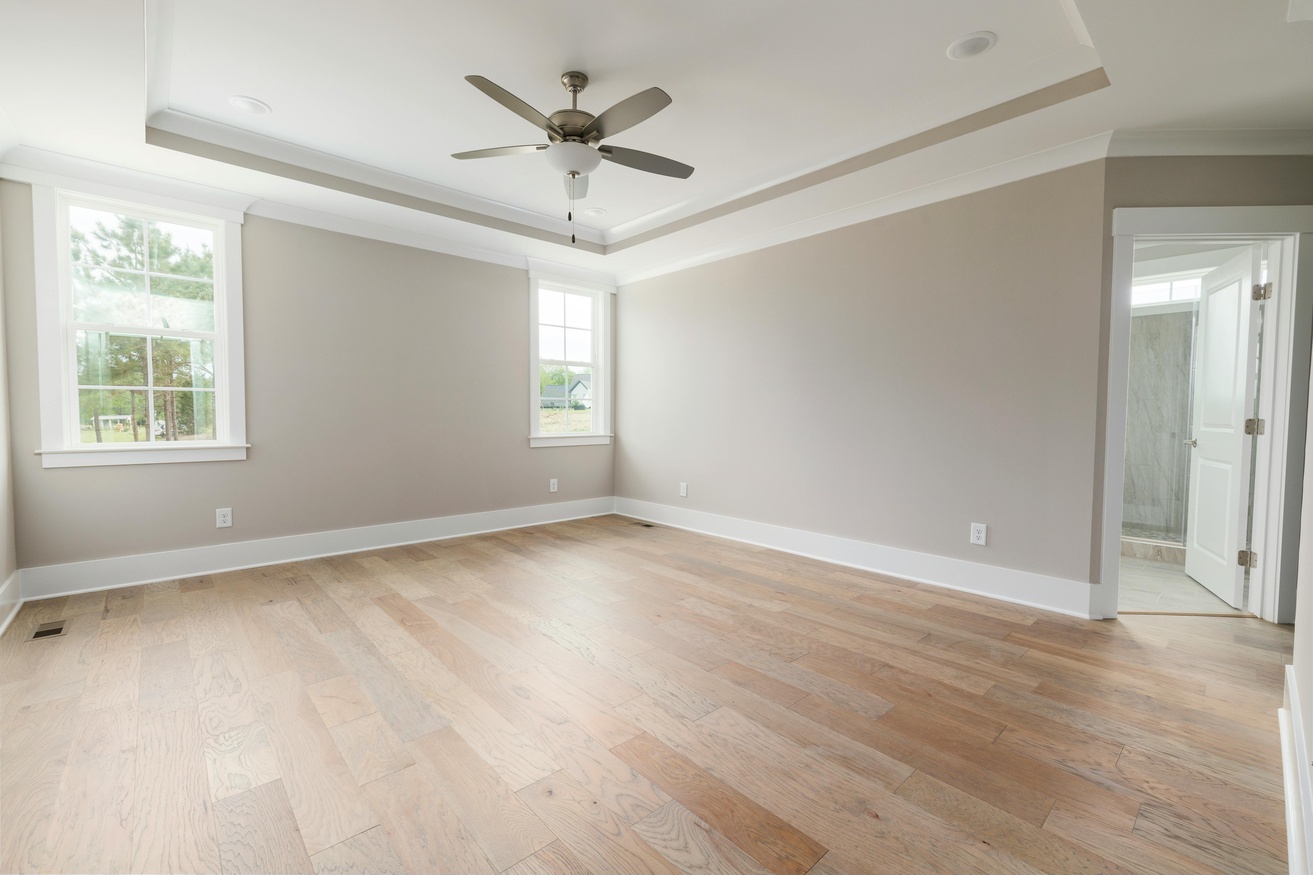
Professional designers understand that beautiful homes rarely feature single flooring types throughout. Instead, they masterfully combine tile, hardwood, and area rugs to create visual interest while maintaining cohesive flow. Precision Flooring & Design reveals the secrets behind these stunning combinations.
Establishing Your Foundation: The 60-30-10 Rule
Successful mixed-flooring designs follow proportional guidelines. Approximately 60% of your visible flooring should feature your primary choice—typically hardwood in living areas. Secondary flooring, often tile in bathrooms and kitchens, comprises about 30%. The remaining 10% includes accent elements like decorative tile insets or statement area rugs.
This balance creates variety without chaos, allowing each flooring type to shine while contributing to overall harmony.
Transition Strategies That Elevate Design
Where different flooring materials meet matters enormously. Thoughtful transitions elevate design from amateur to professional instantly.
Consider architectural thresholds like doorways as natural transition points. T-moldings and reducers provide clean separations, but creative alternatives exist. Brass or stainless steel transition strips add glamorous touches. Some designers eliminate transitions entirely, butting materials together seamlessly where natural breaks occur.
Pattern transitions offer exciting possibilities. Hexagonal tiles flowing organically into hardwood planks create Instagram-worthy moments that guests notice immediately.
Color Coordination Across Materials
Undertones unify disparate materials. Warm woods pair beautifully with tiles featuring cream, terracotta, or golden undertones. Cool-toned grey hardwoods complement tiles in blue, green, or true grey families.
Avoid matching colors exactly—slight variation adds depth. Instead, pull accent colors from tiles for area rug selections, creating connections throughout your home.
Functional Zoning Through Flooring
Different flooring types naturally define functional zones in open floor plans without physical barriers. Tile in kitchen areas signals workspace, transitioning to hardwood where dining and living functions begin.
Area rugs further refine zones, anchoring conversation areas or reading nooks within larger hardwood expanses. This layered approach provides visual organization that guides movement and activity throughout your home.
Texture Play: The Often-Forgotten Element
Mixing textures creates sensory richness. Smooth, polished tiles contrast beautifully with rustic hand-scraped hardwood. Plush area rugs soften sleek hardwood surfaces. Matte-finished tiles complement satin hardwood finishes without competing.
Consider how textures feel underfoot in different areas. Soft rugs beside beds welcome morning risings, while durable tile withstands kitchen cooking sessions.
Planning Your Mixed-Flooring Project
Success requires advance planning. Bring samples of all materials together before committing, viewing them in your actual lighting conditions. Consider sightlines—what flooring combinations will you see simultaneously?
At Precision Flooring & Design, our Norcross showroom allows you to compare materials side-by-side, experimenting with combinations until perfection emerges. Our experienced designers offer complimentary consultations, helping you navigate choices with confidence. Serving homeowners throughout Norcross and surrounding Georgia communities, we transform flooring visions into stunning reality.


